
Milling & Kiln Drying
Why the wood had to be dry, stable, and milled before any furniture work — and what to verify when slabs come back from the mill or supplier.
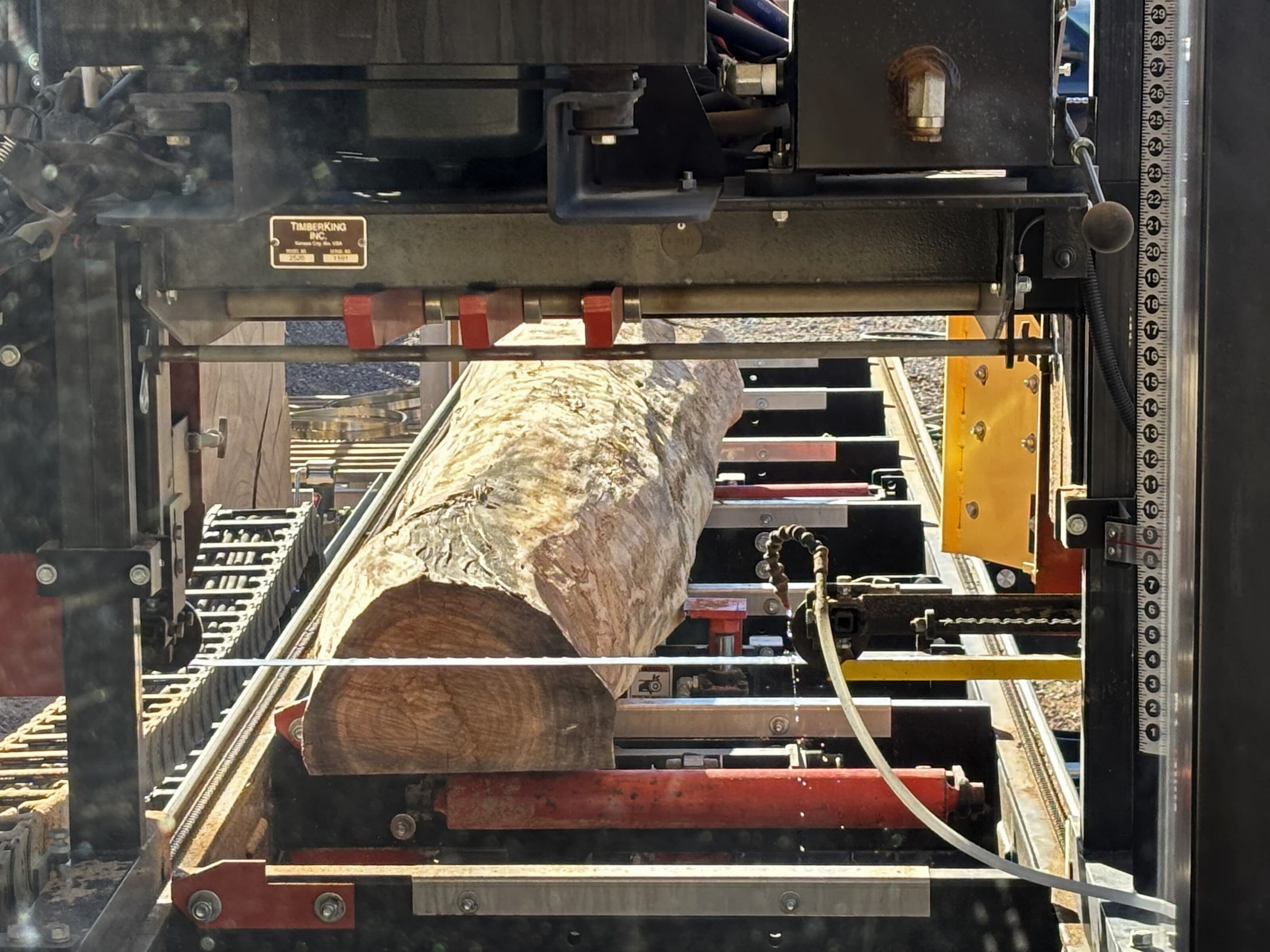
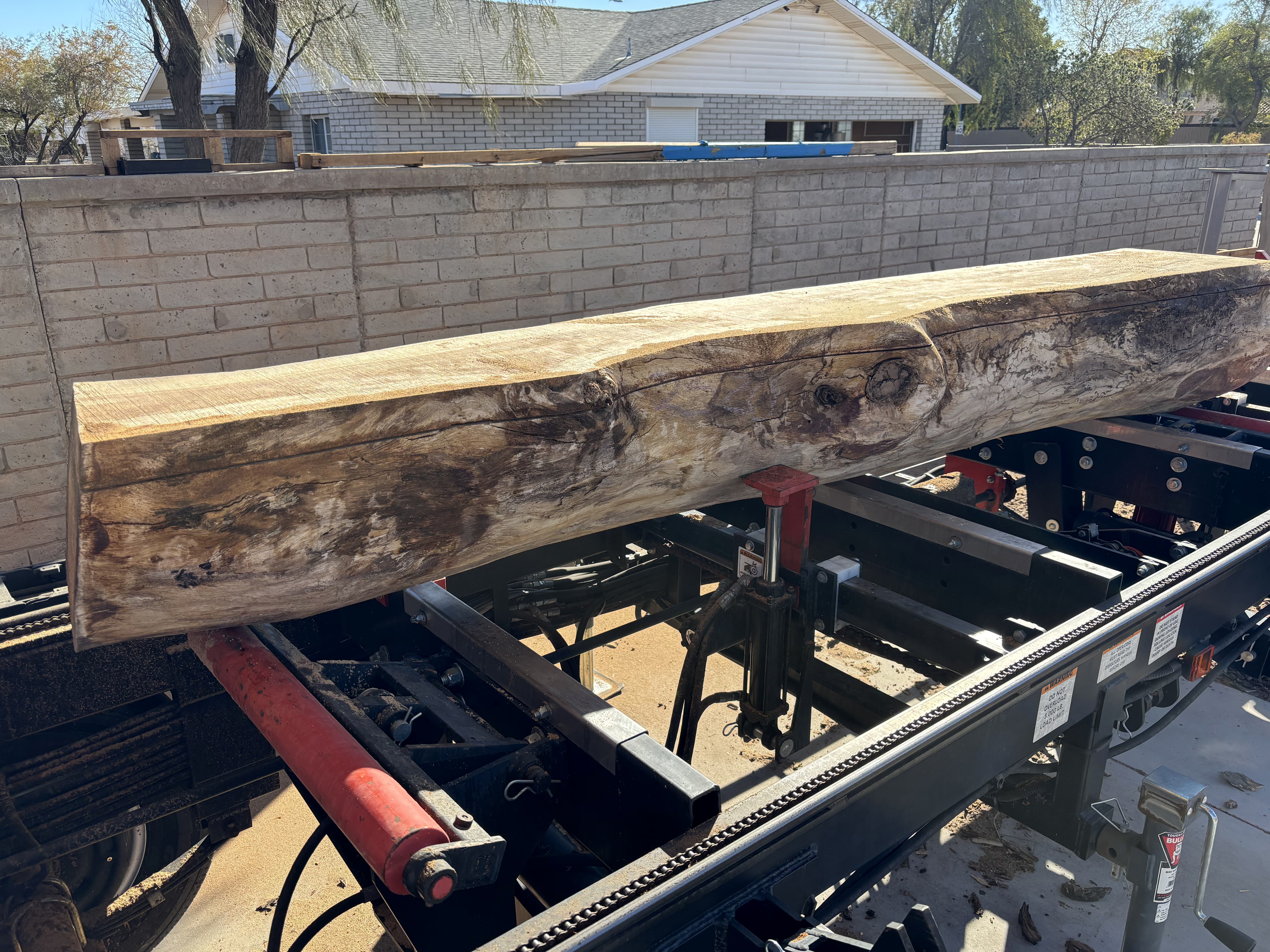
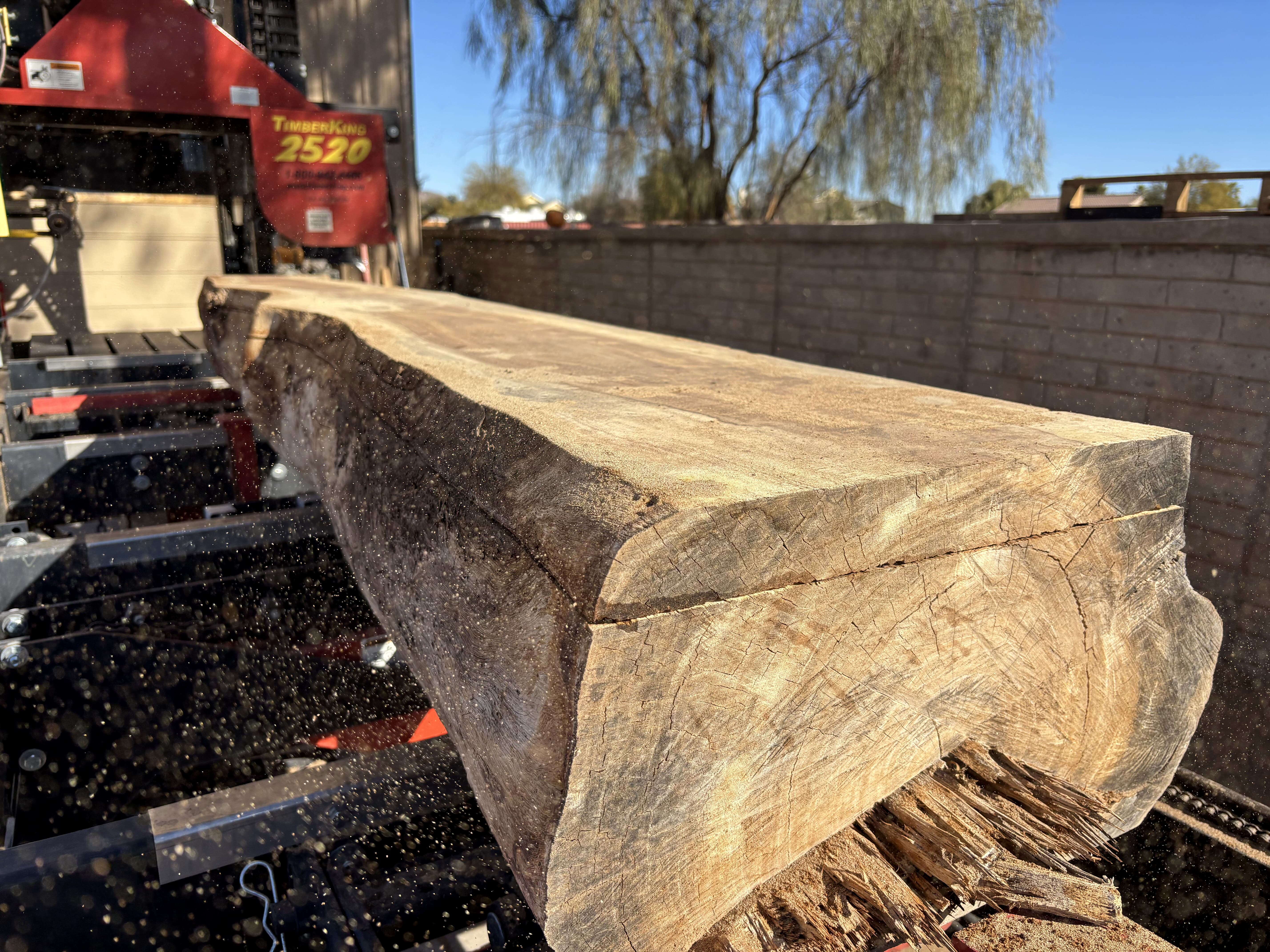
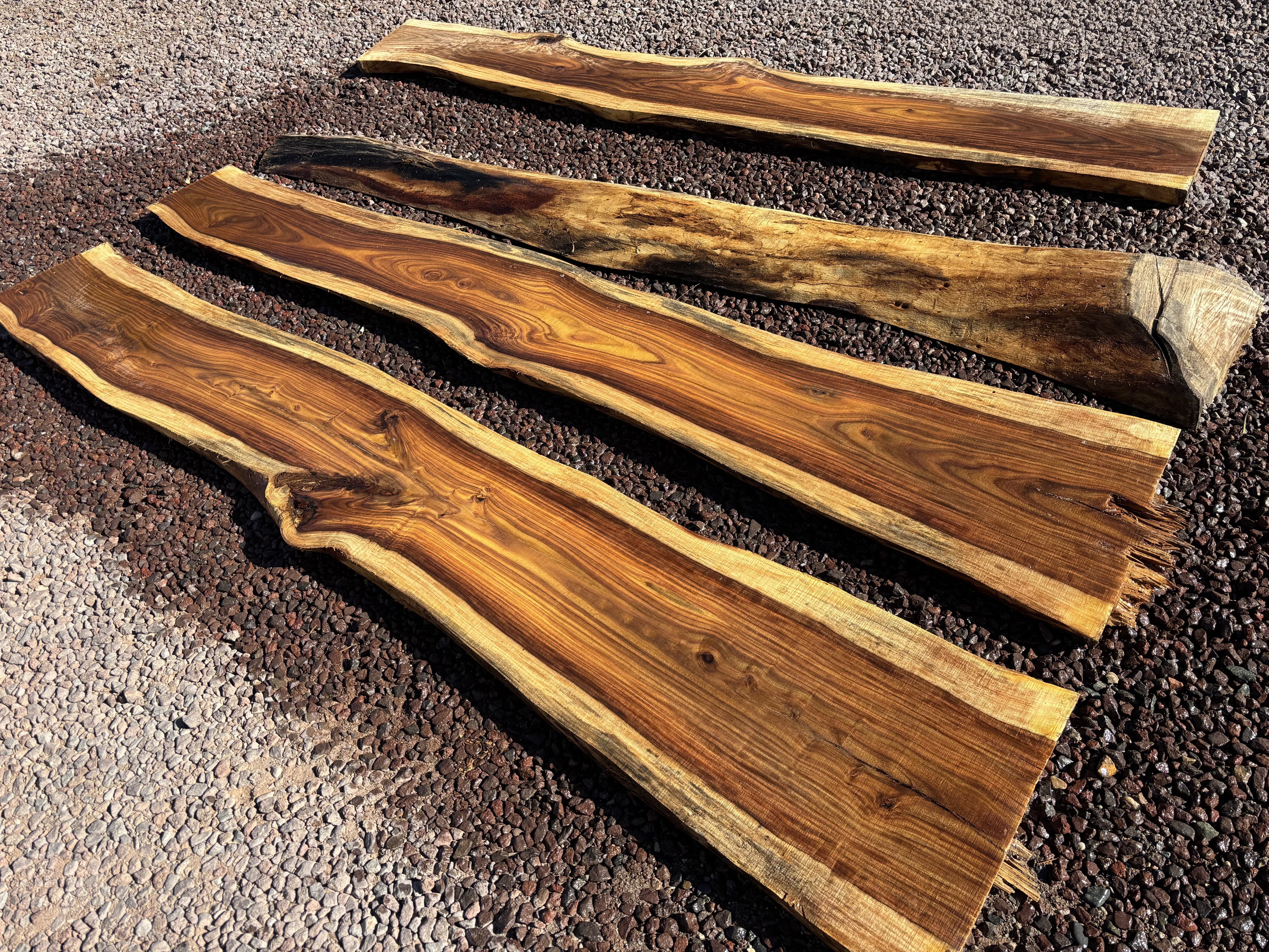
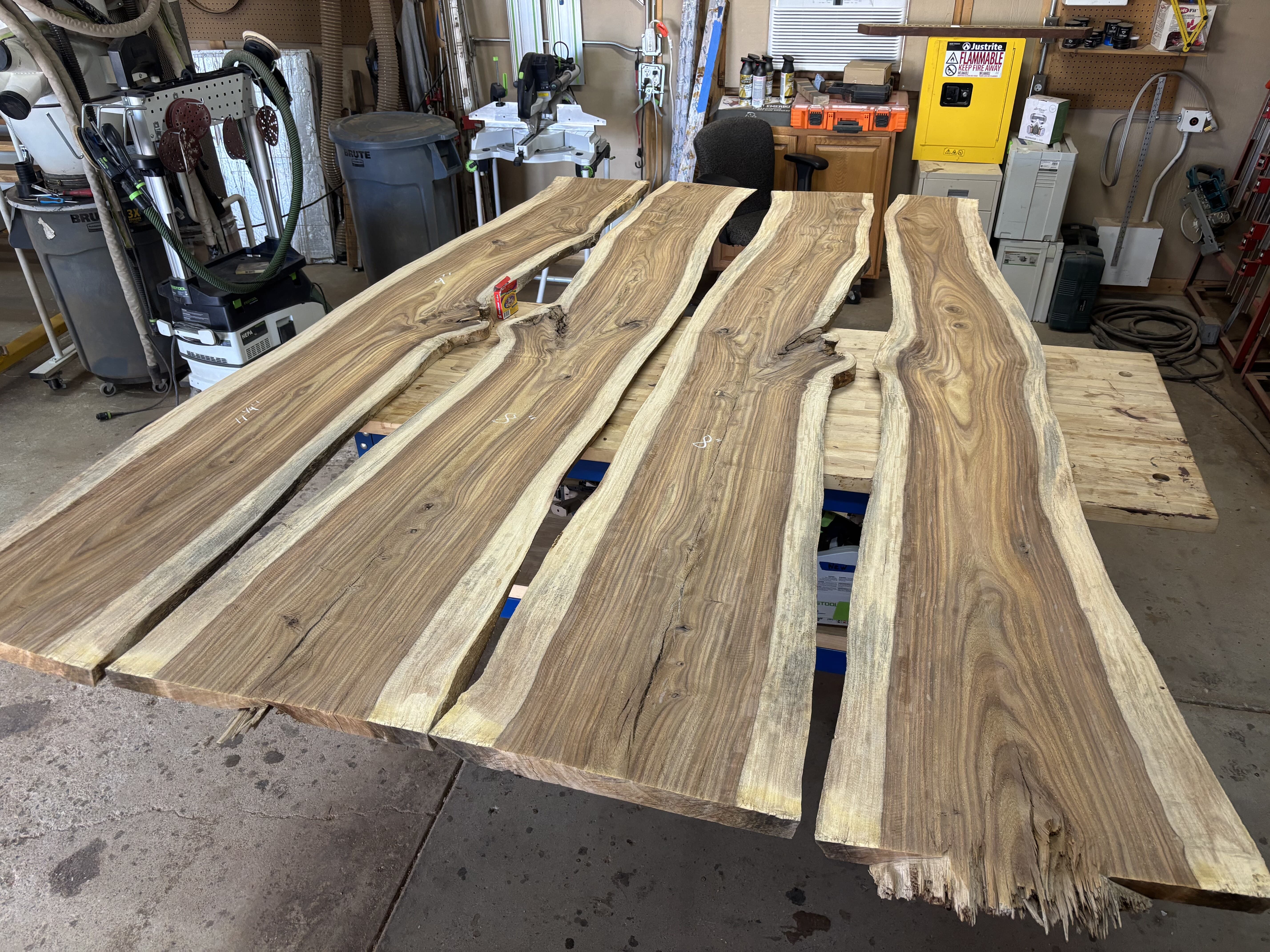
Why kiln drying matters
Wood moves with moisture. A slab built wet will keep shrinking as it dries — cupping, twisting, and pulling glue joints apart months after the table is "done." Kiln drying brings the wood down to a stable interior moisture level so it behaves predictably once it's furniture. This rosewood was already cut and kiln-dried before the build began.
Moisture movement basics
Even dry wood breathes with the seasons, expanding and contracting across its width far more than along its length. You can't stop that movement — you design around it. That single fact drives decisions all the way through this build: it's why the C-channels are slotted rather than bolted solid, and why the steel base needs slotted mounts too. The goal here is simply to start from wood that has already done the bulk of its drying.
Flattening — done at the mill, by CNC
Milling establishes roughly flat, parallel faces and brings the boards to a workable thickness. On this project that was handled at the same mill, right after kiln drying: the slabs were CNC-flattened before they were ever delivered. Wide live-edge slabs are routinely outsourced this way because they're simply too wide for the jointers and planers most home shops own.
If you do have access to a big CNC or a wide planer, you can flatten at this stage yourself. But this journal is written for the rest of us — builders working without industrial machines — so from here on, assume the heavy flattening is already done and we're refining by hand and with a router sled where needed (Step 5).
Why proper flattening is worth it
A dead-flat starting point is the foundation everything else sits on. Boards that meet on true, co-planar faces close into a flat panel with light clamp pressure — no rocking, no gaps forced shut, far less to level afterward. Skip it and you fight that error at every later stage: uneven glue-up, an epoxy pour that pools to one side, and endless extra sanding to chase a surface that was never flat to begin with. Paying for accurate flattening up front buys back hours of grief later.
What to verify before glue-up
- The wood reads dry and stable (check moisture if you have a meter).
- Boards have acclimated to your shop's humidity, stored flat and supported.
- No fresh cupping or twist has appeared since milling.
- Thicknesses are compatible across the four boards.
🛠 Tips
- Don't build a table from wet wood — full stop.
- Let slabs acclimate in the shop before final work.
- Check moisture content if you can.
- Store flat and well supported so nothing re-warps before glue-up.